
ICJ Urges South Africa to Curb Vigilante Violence Against Migrants
 May, 12 2026
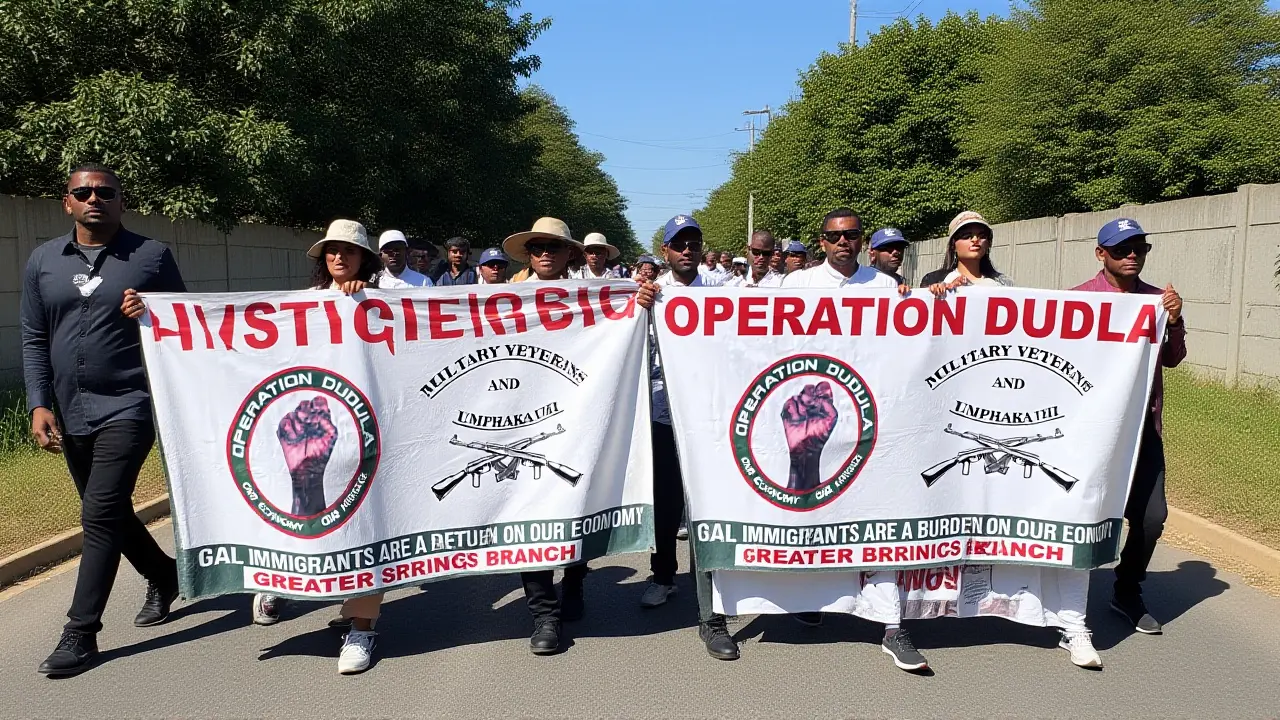
When International Commission of Jurists (ICJ) stepped into a Johannesburg courtroom last June, they didn’t just bring legal briefs—they brought a warning. The global human rights watchdog urged South African judges to look beyond domestic statutes and apply international law to stop the bleeding. Specifically? To protect migrants and refugees from the unchecked violence of vigilante groups like Operation Dudula.
The hearings took place on June 10 and 11 in the High Court’s Gauteng Division. It was a pivotal moment in the case *Kopanang Africa Against Xenophobia and Others v Operation Dudula and Others*. The stakes? Nothing less than the safety of thousands of non-citizens living in fear of harassment, forced evictions, and denial of basic services like healthcare and education.
Here’s the thing: this isn’t just about one group acting out. The ICJ argued that vague laws are actually enabling these attacks. By failing to act, the state is sending a silent signal that discrimination is acceptable. And that changes everything.
The Law That’s Failing Migrants
At the heart of the lawsuit is Section 41 of South Africa’s Immigration Act. On paper, it sounds bureaucratic. In practice, it’s a loophole. This provision allows immigration officers to conduct warrantless searches. Sounds standard for border control, right? But here’s the twist: applicants argue this law has been weaponized by private individuals and vigilante groups.
Kaajal Ramjathan-Keogh, Director of the Africa Programme at the ICJ, put it bluntly: "This case underscores State failures to act to protect non-citizens from the unlawful conduct of vigilante groups like Operation Dudula, as they are so required under international and South African law."
Ramjathan-Keogh’s point hits home because the pattern is clear. When the law is vague, enforcement becomes subjective. And when enforcement is subjective, bias takes the wheel. The ICJ submitted that Section 41 doesn’t just fail to protect—it actively legitimizes vigilante actions. It turns neighbors into enforcers and citizens into judges, juries, and executioners.
International Law vs. Domestic Silence
The ICJ didn’t come empty-handed. They cited a robust framework of international obligations that South Africa has signed onto but seemingly ignored in practice. We’re talking about Articles 2 and 26 of the International Covenant on Civil and Political Rights (ICCPR). These articles guarantee equality and non-discrimination for everyone, regardless of nationality. Then there’s Article 2 of the International Covenant on Economic, Social and Cultural Rights (ICESCR), which ensures access to rights without discrimination based on social origin.
But wait—there’s more. The submission also referenced the African Charter on Human and Peoples’ Rights and the recently adopted 8 March Principles. These expert standards affirm a simple truth: criminal laws cannot discriminate based on citizenship or immigration status. If a law does exactly that, it’s not just bad policy. It’s a violation of fundamental human rights.
The irony? South Africa’s Constitution is one of the most progressive in the world regarding human rights. Yet, on the ground, the reality for many migrants is starkly different. The gap between constitutional promise and street-level experience is where cases like this matter most.
A History of Unchecked Vigilantism
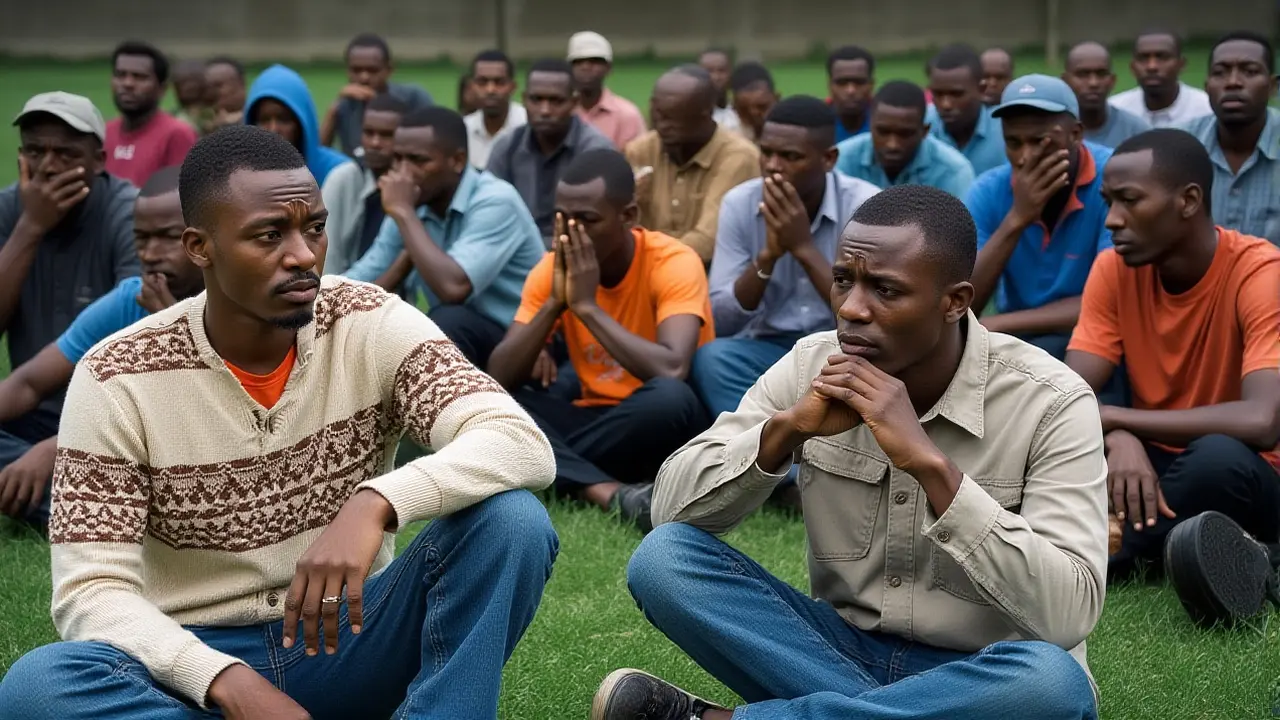
Operation Dudula isn’t a new phenomenon. For years, they’ve documented incidents of public harassment, intimidation of traders, and even violent forced evictions. They target anyone perceived as foreign. Schools have turned away children. Hospitals have denied treatment. All because of an ID card—or the lack thereof.
What makes this particularly chilling is the alleged state collusion. Or rather, indifference. When authorities stand by while vigilantes operate with impunity, they become complicit. The UN Committee on the Elimination of Racial Discrimination has already flagged this issue, calling on South Africa to finalize data systems and ensure interdepartmental accountability. So far, progress has been slow. Too slow.
The National Action Plan to Combat Racism, Racial Discrimination, Xenophobia and Related Intolerance exists on paper. But implementation? That’s another story. The ICJ highlighted this failure, noting that without concrete action plans and measurable outcomes, promises mean nothing.
What’s Next for South Africa?
The ball is now in the court’s hands. Literally. The applicants are seeking a declaration that Section 41 of the Immigration Act is unconstitutional. If granted, this could reshape how immigration enforcement works across the country. It would force authorities to obtain warrants before conducting searches, reducing the scope for arbitrary and discriminatory practices.
But legal victories don’t always translate to immediate change. Even if the court rules in favor of Kopanang Africa, enforcement will be key. Will police intervene when they see Operation Dudula harassing traders? Will local officials hold vigilantes accountable? These are the questions that will determine whether this ruling becomes a turning point or just another footnote.
Experts suggest watching for three things: First, any amendments to the Immigration Act following the judgment. Second, increased reporting on xenophobic incidents and official responses. Third, whether other civil society groups follow suit with similar legal challenges. This case could set a precedent—not just in South Africa, but across the continent.
Frequently Asked Questions
Why is Section 41 of the Immigration Act controversial?
Section 41 allows immigration officers to conduct warrantless searches, which critics say enables discriminatory enforcement. Vague provisions can be misused by both state agents and private vigilantes to target non-citizens without due process, violating constitutional and international human rights standards.
Who is Operation Dudula?
Operation Dudula is a vigilante group in South Africa known for enforcing its own version of immigration law. They have been accused of harassment, intimidation, forced evictions, and denying services to people perceived as foreign nationals, often operating with little interference from authorities.
What role did the International Commission of Jurists play?
The ICJ filed an amicus curiae submission urging the High Court to apply international human rights law. They argued that South Africa’s failure to protect migrants violates binding treaties like the ICCPR and ICESCR, and that vague laws enable vigilante violence.
How does this affect everyday migrants in South Africa?
If the court strikes down Section 41, migrants may face fewer arbitrary searches and harassments. However, lasting change depends on consistent enforcement and political will. Without accountability, vigilante groups may continue operating despite legal rulings.
What are the 8 March Principles?
Adopted by experts, the 8 March Principles state that criminal laws must not discriminate based on national or social origin, citizenship, or immigration status. They provide a framework for evaluating whether legislation unfairly targets specific groups, such as migrants.